
10 Home Maintenance Tasks That Prevent £5,000 Repairs
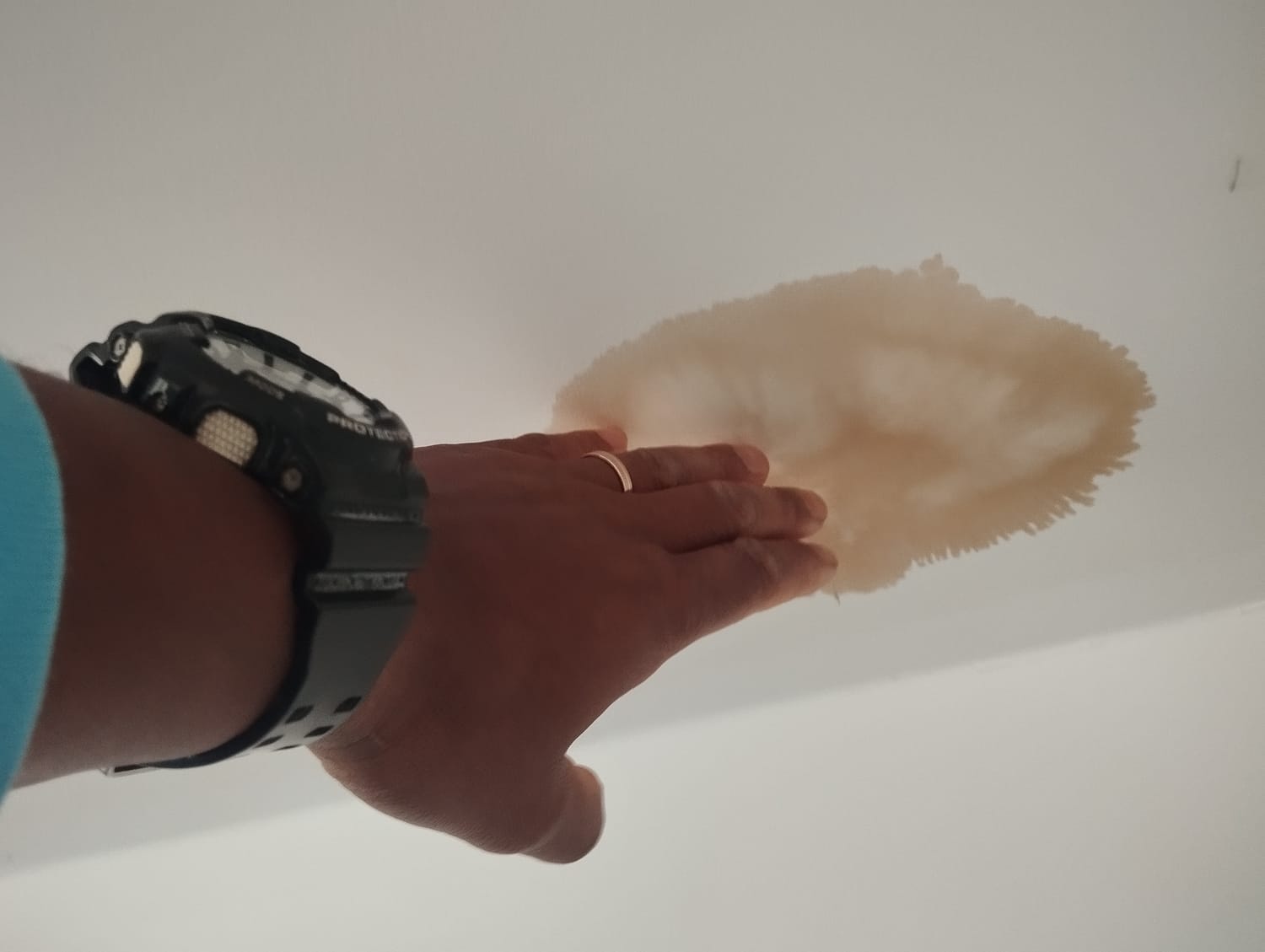
Last winter, a landlord called me about a burst pipe. Water everywhere. Ceiling down. Carpets ruined. Tenant's belongings damaged.
Total cost: £4,200 for emergency plumber, ceiling replacement, flooring, decorating, and temporary accommodation for tenant.
The cause? He'd never bled his radiators. Air trapped in the system caused pressure drop. Boiler tried to compensate. Pipe froze in the cold snap. Burst.
Cost to prevent it: £0 (bleeding radiators is free) Cost to fix it: £4,200
I see this pattern constantly. Small maintenance tasks ignored until they become massive problems.
Let me share the 10 tasks I tell every homeowner and landlord to do regularly. Based on 20 years of fixing what happens when people don't.
Why I'm writing this
One of my mentors used to say:
"Always teach others. And one day, when you're my age, you'll understand why to teach and share what you know."
I didn't understand that when I was younger. I do now.
I've spent 20 years being called to expensive emergencies that were completely preventable. The £2,800 damp treatment that a £30 gutter clean would've prevented. The £1,400 ceiling replacement from a leak that warning signs showed for months.
Every time, I think: if someone had just explained this to them, they'd have saved thousands.
So that's what this is. The maintenance tasks that actually matter, explained simply.
The 10 tasks (in order of importance)
TASK 1: Clean Gutters Twice Yearly (Spring & Autumn)
Time needed: 2-3 hours
Cost: £30-50 in materials (or £80-120 professional clean)
Prevents: £2,000-£5,000 in damp and structural damage
The story that taught me this:
Landlord in Sydenham ignored his gutters for 3 years. "They're fine," he said. "I can see them from the ground."
I got called because his tenant reported damp in the bedroom. When I arrived, the exterior wall was saturated. The damp had spread 2 meters along the wall inside.
I went up the ladder. The gutter was completely blocked with moss, leaves, and even a small tree sapling growing in it. Water had been overflowing straight down the wall for probably 18 months.
The damage:
External wall saturated
Internal plaster blown (needs replacing)
Damp spread to floor joists
Carpet and underlay ruined
Furniture damaged
Cost to fix:
Gutter clean: £80
Damp treatment: £1,200
Plastering: £800
Redecorating: £400
New carpet: £350
Total: £2,830
Cost to prevent: £80 gutter clean twice yearly (£160/year)
How to do it yourself:
Tools you need:
Ladder (stable, tall enough)
Gutter scoop (£12, Amazon)
Bucket on ladder hook (£8, Amazon)
Garden gloves (£5)
Hose pipe
Process:
Set ladder safely (one rung above gutter height)
Starting at downpipe, scoop out debris
Work along gutter, filling bucket
Dispose of debris (compost it)
Flush gutter with hose
Check downpipe flows freely
Check all gutter brackets secure
When to do it:
Spring (April/May): After trees finish flowering
Autumn (October/November): After leaves fall
Red flags to check:
Is gutter sagging anywhere? (Broken brackets)
Any cracks or holes in gutter?
Downpipe blocked? (Overflow test with hose)
Green moss growing in gutter? (Needs cleaning)
My recommendation:
If you're not comfortable on ladders, pay £80-120 for professional clean twice yearly. That £160-240/year is cheaper than one damp repair.
TASK 2: Re-Seal bathroom & Kitchen silicone annually
Time needed: 2-3 hours per room
Cost: £15-25 in materials
Prevents: £800-£3,000 in leak damage
Why this matters more than people think:
Customer in Dulwich ignored cracked bathroom silicone for "ages"—her words. Water had been slowly seeping behind the bath for probably 18 months.
When I lifted the bathroom floor (investigating a leak to the room below), the joists were rotten. The subfloor was like sponge. The ceiling below was saturated.
Cost to fix:
New bathroom floor structure: £1,200
Ceiling replacement below: £600
Full bathroom re-seal: £80
Total: £1,880
Cost to prevent: £20 silicone tube and 2 hours work
How to do it yourself:
Tools needed:
CT1 Silicone (£12, Amazon) - Best sealant I've used in 20 years
Silicone remover tool (£6, Amazon)
Stanley knife
White spirit
Clean rags
Process:
-Remove old silicone completely (knife + remover tool)
-Clean surfaces with white spirit
Let dry, or (use an hair dryer to help dry it more quick)
-Fill the bathtub with water before starting to apply the silicone.
-Mask edges with tape (optional but neater)
-Apply new silicone in continuous bead
-Smooth with, silicone sealant finishing tool ( £10-£15 Amazon)
-Remove tape before it dries
-Leave 12 hours before using shower/bath
Where to seal:
Bath edges (where bath meets tiles/walls)
Shower tray edges
Around bath taps
Around sink
Kitchen sink edges
Kitchen worktop edges (where meets wall)
Warning signs it needs doing:
Black spots on silicone (mould growing)
Cracks visible in silicone
Silicone pulling away from wall/surface
Water pooling where silicone meets wall
My recommendation:
Check silicone every 6 months. If you see cracks or mould, redo it. Don't wait for it to leak.
TASK 3: Test smoke alarms monthly
Time needed: 2 minutes
Cost: £0
Prevents: Death. Seriously.
I shouldn't need to explain this one, but I'm constantly shocked by how many properties have dead smoke alarms.
What to do:
-Press test button on each alarm
-If it doesn't beep loudly, change battery
-If still doesn't work, replace alarm (£15, Screwfix)
-Do this on the same day each month (I do mine on the 1st)
Legal requirement for landlords:
Working smoke alarm on every floor
Tested at start of every tenancy
You can be fined £5,000+ if tenant dies and alarm wasn't working
My recommendation:
Put a reminder in your phone. "Test smoke alarms - 1st of every month." Takes 2 minutes. Could save lives.
TASK 4: Bleed radiators before winter (September/October)
Time needed: 30 minutes
Cost: £3 (radiator key)
Prevents: £200-£4,000 in boiler damage and burst pipes
This is the task that would've saved that landlord £4,200.
How to tell if radiators need bleeding:
Top of radiator cold, bottom hot
Radiators take ages to heat up
Some radiators don't heat at all
Boiler pressure keeps dropping
How to do it:
Tools needed:
Radiator key (£3, Amazon or any hardware store)
Old towel
Small container
Process:
-Turn heating on, let radiators heat
-Turn heating off
-Find bleed valve (small square nut at top corner of radiator)
-Hold towel under valve
-Insert key, turn anti-clockwise slowly
-Hear hissing (that's air escaping)
-When water starts coming out, close valve quickly
-Wipe up any water
-Repeat for every radiator in house
-Check boiler pressure (should be 1-1.5 bar)
-Top up if needed (check boiler manual)
When to do it:
Every September/October before heating season starts
Or anytime radiator isn't heating properly
Why this prevents expensive damage:
Air in system causes:
Boiler works harder (wears out faster)
Pressure drops
System tries to compensate
Pipes can freeze if pressure too low
Frozen pipes burst = thousands in damage
TASK 5: Check Loft Insulation Depth (Once, Then Every 5 Years)
Time needed: 10 minutes
Cost: £0 to check, £400-800 to add if needed
Saves: £500-1,500 per year on heating bills
Story from Croydon:
Customer complaining about £250/month gas bills in winter. "Boiler must be broken."
I checked the boiler. Fine. I went in the loft.
50mm of insulation. About the thickness of a magazine. Building Regs say you need 270mm—thickness of a shoebox.
He was heating the sky.
Cost to fix: £600 for proper loft insulation
Saving: £1,200/year on heating bills
Payback period: 6 months
How to check:
-Go in loft safely (use loft ladder if you have one)
-Take torch and ruler/tape measure
-Measure insulation depth between joists
-Check in several places (might vary)
What you should see:
Minimum: 270mm (current Building Regs)
Older properties might have 100-150mm (not enough)
Some old properties have 0-50mm (terrible)
If it's less than 200mm:
Get quotes for topping up. It's one of the few home improvements that pays for itself in under 2 years through reduced heating bills.
DIY option:
Loft insulation rolls (£15-25 each, Wickes/Screwfix)
You need about 15-20 rolls for average loft
Lay between joists, then across joists (270mm total depth)
Total cost DIY: £300-500
Professional install: £600-800
TASK 6: Service Boiler Annually (Before Winter)
Time needed: 1 hour (engineer does it)
Cost: £80-120
Prevents: £800-£2,500 emergency boiler repairs/replacement
Legal requirement for landlords: Annual gas safety certificate
Why it matters:
Customer in Norwood ignored boiler service for 4 years. "Seems fine."
Boiler broke down in January (coldest week of year). Engineer found:
Heat exchanger cracked (dangerous—carbon monoxide risk)
Flame sensor failed
Pressure vessel failed
Several other components corroded
Not repairable. Needed new boiler: £2,200 including installation
If he'd had it serviced annually, most of those problems would've been caught early when they were fixable.
What annual service includes:
Safety checks (carbon monoxide, gas leaks)
Clean burner and heat exchanger
Check all components
Test pressure and seals
Issue gas safety certificate
When to do it:
September/October (before winter)
Same time every year
Cost vs benefit:
Annual service: £80-120
Emergency callout in winter: £150-250
Boiler replacement: £1,500-3,000
My recommendation:
Book your annual service in September every year. Use same engineer if possible (they get to know your system).
TASK 7: Clean Bathroom Extractor Fan Grilles (Quarterly)
Time needed: 10 minutes per fan
Cost: £0 (just cleaning)
Prevents: £150-£300 fan replacement, £500-£2,800 mould treatment
Why people ignore this:
It's invisible. The fan's behind a grille. You can't see it's blocked until it stops working.
Then you get mould.
How to do it:
-Turn fan off at switch
-Unscrew grille cover (usually 2-4 screws)
-Wash grille in sink with washing-up liquid
-Vacuum inside fan opening carefully (don't touch blades)
-Wipe inside fan with damp cloth
-Dry grille completely
-Refit grille
When to do it:
Every 3 months minimum
Monthly if you have heavy cooking smells or steam
Warning signs it needs cleaning:
Fan sounds louder than usual
Can't feel much airflow
Bathroom condensation increased
Grille looks dusty/dirty
My recommendation:
Put a reminder in phone: "Clean bathroom fan - 1st weekend of Jan/Apr/Jul/Oct"
Takes 10 minutes. Prevents hundreds in mould problems.
TASK 8: Oil door hinges & locks (Twice Yearly)
Time needed: 15 minutes
Cost: £6 (WD-40)
Prevents: £95-£180 in door adjustment or lock replacement
Seems trivial until:
Door starts sticking. Gets worse. Eventually won't close properly. Forces latch. Lock mechanism jams. Can't lock door. Emergency locksmith: £150.
All because hinges weren't oiled.
How to do it:
Tools needed:
WD-40 or 3-in-1 Oil (£6, anywhere)
Clean cloth
Process:
-Open door
-Spray small amount of oil on each hinge pin
-Open and close door several times (works oil in)
-Wipe excess
-Spray small amount into lock mechanism
-Insert key, turn several times
-Wipe excess
Every door in the property:
Front door
Back door
Internal doors (especially bathroom—humid)
Garage door
Gate hinges
When to do it:
Spring (April)
Autumn (October)
TASK 9: Check for and fill exterior cracks (Annually)
Time needed: 1-2 hours
Cost: £15-30 in filler
Prevents: £500-£2,000 in water damage
What I see constantly:
Small crack in exterior render or mortar. Gets ignored. Water gets in. Freezes in winter. Expands. Makes crack bigger. More water gets in. Eventually, whole section of render falls off.
Cost to fix properly: £800-1,500 for re-rendering section of wall
Cost to prevent: £5 tube of exterior filler and 30 minutes
How to do it:
-Walk around entire exterior of property
-Look for any cracks in render, mortar, or brickwork
-Mark them (chalk or take photos)
-Buy exterior flexible filler (£5-10, Wickes)
-Clean out cracks (brush or vacuum)
-Fill according to product instructions
-Smooth and finish
-Let cure 24 hours
-Paint if needed to match
When to check:
Spring (March/April) before summer
Check after any severe weather
Also check:
Window frames for gaps (fill with frame sealant)
Door frames
Where pipes enter building
Around vents
TASK 10: Check and clear bathroom/kitchen extractor fan external vents (Annually)
Time needed: 20 minutes
Cost: £0
Prevents: £200-£400 in fan replacement or ventilation problems
What happens:
External vent gets blocked by leaves, bird nests, spiders, or dirt. Fan tries to work against blockage. Eventually motor burns out. Or backdraft shutter gets stuck open (cold air floods back in winter).
How to check:
-Go outside
-Find external vent (usually round grille on wall)
-Look at it with torch
-Is it blocked with anything?
-Can you see through the grille?
-Turn fan on inside—can you feel air coming out?
How to clean:
-Remove external grille (usually clips or screws)
-Clean grille with brush and water
-Check inside duct—any blockages?
-Remove any debris you can reach
-Check backdraft shutter opens and closes freely
-Refit grille
When to do it:
Once a year minimum
Spring is good (after winter, before summer)
The annual maintenance calendar
Make this simple for yourself:
JANUARY:
Test smoke alarms (1st of month)
Clean extractor fans (quarterly)
FEBRUARY:
Test smoke alarms
MARCH:
Test smoke alarms
Check exterior for cracks
Oil door hinges and locks (spring service)
APRIL:
Test smoke alarms
Clean extractor fans (quarterly)
Clean gutters (spring clean)
MAY:
Test smoke alarms
Check loft insulation depth
JUNE:
Test smoke alarms
JULY:
Test smoke alarms
Clean extractor fans (quarterly)
AUGUST:
Test smoke alarms
SEPTEMBER:
Test smoke alarms
Bleed all radiators
Book annual boiler service
OCTOBER:
Test smoke alarms
Clean extractor fans (quarterly)
Clean gutters (autumn clean)
Oil door hinges and locks (autumn service)
Re-seal bathroom/kitchen silicone (annually)
Check and clear external vents
NOVEMBER:
Test smoke alarms
DECEMBER:
Test smoke alarms
What these tasks actually cost
Annual cost if you do everything yourself:
Gutter cleaning supplies: £30
Silicone: £12
Radiator key: £3 (one-time)
WD-40: £6
Exterior filler: £15
Smoke alarm batteries: £10
Boiler service: £100
Loft insulation check: £0
Total per year: £176 if DIY
vs.
Cost of ignoring them (based on real jobs I've done):
Burst pipe from air-locked system: £4,200
Damp from blocked gutters: £2,800
Leak damage from failed silicone: £1,800
Boiler replacement (no service): £2,200
Mould treatment (poor ventilation): £1,500
Total potential disasters: £12,500
Spend £176/year to avoid potentially £12,500 in repairs.
Makes sense to me.
Tools worth buying (Amazon Links)
Basic Maintenance Toolkit (£100 total):
Gutter Scoop (£12, Amazon)
Bucket Hook for Ladder (£8, Amazon)
CT1 Silicone (£12, Amazon) - Best sealant
Silicone Remover Tool (£6, Amazon)
Radiator Key (£3, Amazon)
WD-40 (£6, Amazon)
Tacklife Moisture Meter (£20, Amazon) - Check for damp
Good LED Torch (£25, Amazon) - For lofts and dark spaces
Screwdriver Set (Wera, £35, Amazon) - Buy once, last forever
Everything you need: £127
These tools will last 10+ years. Cost per year: £12.70
When to call a Professional
I'm all for DIY, but some things need professionals:
Always call a professional for:
Gas boiler work (illegal to DIY unless you're Gas Safe)
Electrical work beyond changing bulbs (Part P regulations)
Roof work above ground floor (safety)
Structural cracks or subsidence
Anything you're unsure about
You can DIY:
Bleeding radiators
Cleaning gutters (if comfortable on ladder)
Replacing silicone
Oiling hinges
Most tasks in this article
My rule: If you're asking "should I call someone?", the answer is probably yes.
Property health check for Landlords
Own rental properties? I offer annual Property Health Checks specifically for landlords:
What's included:
Full property inspection (45-60 minutes)
Check all 10 maintenance tasks in this article
Identify deferred maintenance
Check for tenant-caused damage
Compliance check (smoke alarms, gas safety, electrical)
Written report with photos
Priority list of what needs doing
Cost estimates
£100 per property
Why landlords use this:
Catches small problems before they become expensive. One landlord I work with has 8 properties. I check all 8 every summer. In the last 3 years, I've caught:
Early roof leak (fixed for £200 before it damaged ceiling)
Failed extractor fan (replaced for £150 before mould developed)
Blocked gutter (cleaned for £60 before it caused damp)
Boiler pressure issue (fixed for £0 by bleeding radiators)
Total saved: Probably £4,000+ in avoided major repairs
His annual cost: £800 (£100 × 8 properties)
ROI: 5:1
📧 Email: Lovelofters@gmail.com
🌐 Book: lovelofters.com/landlord-inspections
Final Thoughts
My mentor used to say:
"Quality takes a little extra time, but it leaves a lasting impression. The care you put into work today shapes how people see you tomorrow."
He was talking about paid work, but it applies to maintaining your home too.
10 simple tasks. Most take under an hour. Total annual cost under £200 if you DIY.
Could save you £5,000-£15,000 in avoided repairs.
Don't wait for the expensive disaster. Spend 2 hours a month preventing it.
Your future self will thank you when your neighbors are dealing with burst pipes and you're not.

I'm Emanuel, the person behind Lovelofters.
I've been working as a professional handyman for 20+ years.
Qualifications: - NVQ Level 2 (General Maintenance) - City & Guilds Level 3 (18th Edition Electrical) - 20+ years professional experience I learned my trade working in luxury hotels and adapting homes for families with disabled children.
Now I help homeowners, landlords, and investors across Crystal Palace, Dulwich, and South London.
My mentor always said: "Be known for expert work, not rushed work." That's still how I operate today.
📍 Based in Crystal Palace, serving South London

Worried about hidden issues in your property? Not sure if that problem is serious? Want to catch small issues before they become expensive repairs?
I offer comprehensive Property Health Checks for:
✓ Homeowners (identify problems early)
✓ Buyers (before you exchange contracts)
✓ Landlords (annual inspections)
✓ Investors (pre-purchase assessments)
What's included:
- 45-90 minute on-site inspection
- Written report with photos
- Priority list (urgent vs. can wait)
- Cost estimates for any work needed
- Expert advice on DIY vs. professional
- Follow-up call to discuss findings
Pricing:
- 1-2 bed flat: £100
- 2-3 bed house: £150
- 4-5 bed house: £200
£60-150 fee CREDITED if you book any work with me
Recent results:
✓ Saved buyer £18,000 (found hidden problems)
✓ Prevented investor from buying property with £90k work needed
✓ Landlord caught £3,500 issue early (only cost £400 to fix)
📧 Email: Lovelofters@gmail.com
Based in Crystal Palace, I regularly work across:
📍 Crystal Palace (SE19)
📍 Dulwich (SE21, SE22)
📍 Sydenham (SE26)
📍 Norwood (SE19, SE25)
📍 Penge (SE20)
📍 Croydon
📍 Forest Hill (SE23)
📍 Herne Hill (SE24)
Most assessments scheduled within 48 hours. Same-week
appointments usually available.
Not sure if I cover your area? Contact - I serve most of South London
✓ NVQ Level 2 - General Maintenance
Nationally recognized qualification for professional tradespeople
✓ City & Guilds Level 3 - 18th Edition
Electrical installations to current BS 7671 standards
✓ 20+ Years Professional Experience
From luxury hotels to family homes across London
✓ DBS Checked (Enhanced)
Safe to work in your home with complete peace of mind
What Customers Say
⭐⭐⭐⭐⭐ 5.0 Rating
Based on 47+ verified Reviews
"Finally, someone who actually shows up when they say they will. Emanuel explained everything clearly, no jargon, and the TV mounting looks perfect. Wish I'd called him first instead of wasting time with cowboys."
— Sarah M., Dulwich
---
"I nearly bought a property with £18,000 of hidden problems. Emmanuel pre-purchase inspection saved me from making the biggest financial mistake of my life."
— James T., Property Investor, Crystal Palace
---
"Our bathroom mould kept coming back no matter what we tried. Emmanuel explained it was ventilation, not damp. Fixed it properly. Six months later, not a single spot of mould. Finally solved."
— The Patel Family, Sydenham
---
When you work with me, you get:
✓ 12-Month Workmanship Guarantee
If there's a problem with my work, I'll come back and fix it. No arguments.
✓ Transparent Pricing
Written quote before work starts. No hidden fees. No surprises.
✓ Clean Workspace Promise
Dust sheets down, cleanup included, your home treated with respect.
✓ Full Certification
Electrical Safety Certificates, Building Regulations compliance documentation provided.
✓ Same-Week Appointments
Most jobs scheduled within 7 - 10 days. Assessments usually within 48 hours.
✓ Honest Assessment
I'll tell you what actually needs doing and what doesn't. No upselling.
If I can't help, I'll tell you who can.
If it's something you can DIY safely, I'll teach you how.
Related Articles You Might Find Helpful
📖 [Why Your Bathroom Extractor Fan Stops When the Light Turns Off]
Black mould spreading? Your fan setup might be creating the problem. Here's what's actually happening...
📖 [7 Things to Check Before Buying a Property]
Don't make the expensive mistakes most first-time buyers miss. I've saved clients £18,000+ with these checks...
📖 [10 Home Maintenance Tasks That Prevent £5,000 Repairs]
Simple tasks most people ignore until it's too late. The £30 gutter clean that prevents £2,800 damp damage...
[View All Home Maintenance Articles →]
Join 300+ South London homeowners getting honest advice delivered every month:
✓ Seasonal maintenance reminders (before problems start)
✓ Cost-saving tips and tricks from 20 years experience
✓ Early warning signs of expensive problems
✓ Honest advice on DIY vs. when to hire a professional
Plus: Instant access to my FREE 20-page Home Maintenance Checklist
COMING SOON
No spam ever. Unsubscribe anytime with one click. I respect your inbox.
See my latest projects, maintenance tips, and behind-the-scenes:
📷 Instagram: [@lovelofters_handyman](https://instagram.com/lovelofters_handyman)
📌 Pinterest: [/lovelofters](https://pinterest.com/lovelofters)
Home maintenance guides, checklists, and visual how-tos
⭐ Google Reviews: [Leave a Review]
Help other South London homeowners find reliable help
The information in this article is based on my 20+ years of professional experience and current UK Building Regulations. While I strive for accuracy, building codes and best practices can change.
Always verify current regulations with your Local Authority Building Control or a qualified professional before starting any work.
Important:
- For electrical work: Always use a qualified electrician or Part P certified professional
- For gas work: Always use a Gas Safe registered engineer (it's the law)
- For structural work: Always consult a structural engineer
Affiliate Disclosure:
This article may contain affiliate links to products and tools I genuinely recommend. If you purchase through these links, I may earn a small commission at no additional cost to you. I only recommend products I actually use myself or would use in my own home.
© 2026 Lovelofters Handyman. All rights reserved.
[← Back to Blog]

Professional handyman services across South London.
20+ years experience. Work done properly, not quickly.
NVQ L2 • City & Guilds L3 • DBS Checked
Quick links
Newsletter
Get monthly home maintenance tips and advice from 20+ years experience.
Join South London homeowners No spam. Unsubscribe anytime.
© 2026 Lovelofters Handyman. All rights reserved.
Privacy Policy | Terms of Service | Cookie Policy
Created with ©systeme.io